Crypto and Banking Experts Urge Congress to Update 1970s Anti-Money Laundering Laws
Crypto, banking, and policy experts are calling for updates to the 1970 Bank Secrecy Act to better fit modern financial systems. The debate centers on how much to scale back the law as President Trump expands its reach.
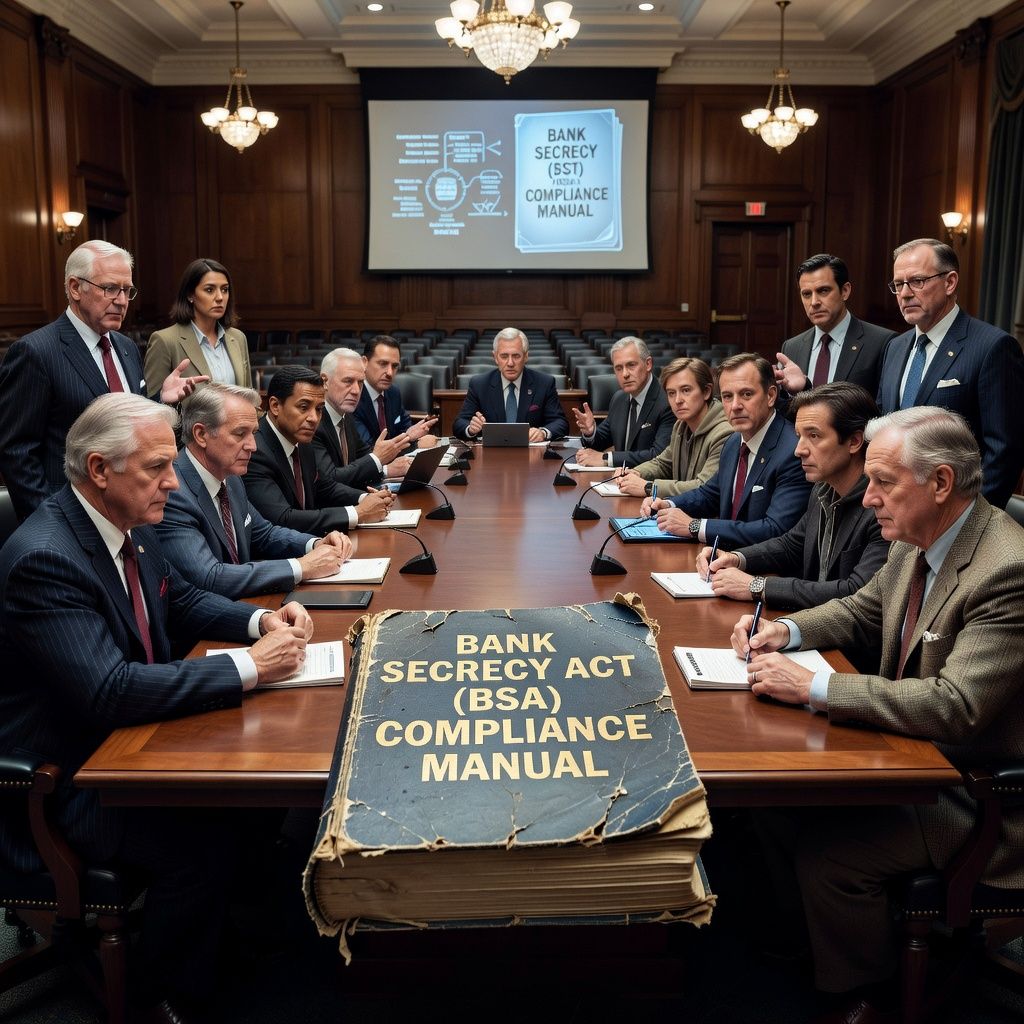
A House subcommittee hearing this week highlighted a growing divide over how to modernize the Bank Secrecy Act (BSA), a 1970-era anti-money laundering law. Experts from the crypto and banking industries, along with policy analysts, argued that the law is outdated and needs significant revisions to keep up with today’s financial landscape. The debate comes as President Trump has been expanding the BSA’s scope, creating tension over how far to scale back its regulations.
The hearing exposed stark differences in opinion among stakeholders. Some advocates pushed for a complete overhaul, arguing that the current regulations are too burdensome and fail to address modern financial crimes effectively. Others cautioned against drastic changes, emphasizing the need to maintain strong safeguards against money laundering and terrorist financing. The discussion also touched on the role of cryptocurrencies, with experts noting that the BSA’s current framework is ill-equipped to handle digital assets.
For everyday people, the outcome of this debate could mean significant changes in how financial transactions are monitored and reported. If the BSA is updated to be more flexible, it could reduce compliance costs for banks and crypto companies, potentially leading to lower fees for consumers. However, critics warn that scaling back regulations too much could create loopholes that bad actors could exploit, putting consumers at risk.
The next steps will depend on how Congress balances these competing priorities. Lawmakers will need to consider the input from all sides to draft legislation that updates the BSA without compromising financial security. Consumers and businesses should watch for any legislative proposals that emerge from this hearing, as they could shape the future of financial regulations for years to come.