Bitcoin Miners Face AI Squeeze as Hash Rate Flattens and Network Enters New Security Phase, Fidelity Says
Bitcoin miners are under pressure as the network's hash rate growth slows and flattens, while AI demand for energy could further squeeze their operations. Fidelity Digital Assets says 2026's crypto slump masks a deeper 'structural retooling,' as institutional adoption, tokenization, and Bitcoin's evolving infrastructure quietly advance despite weaker prices.
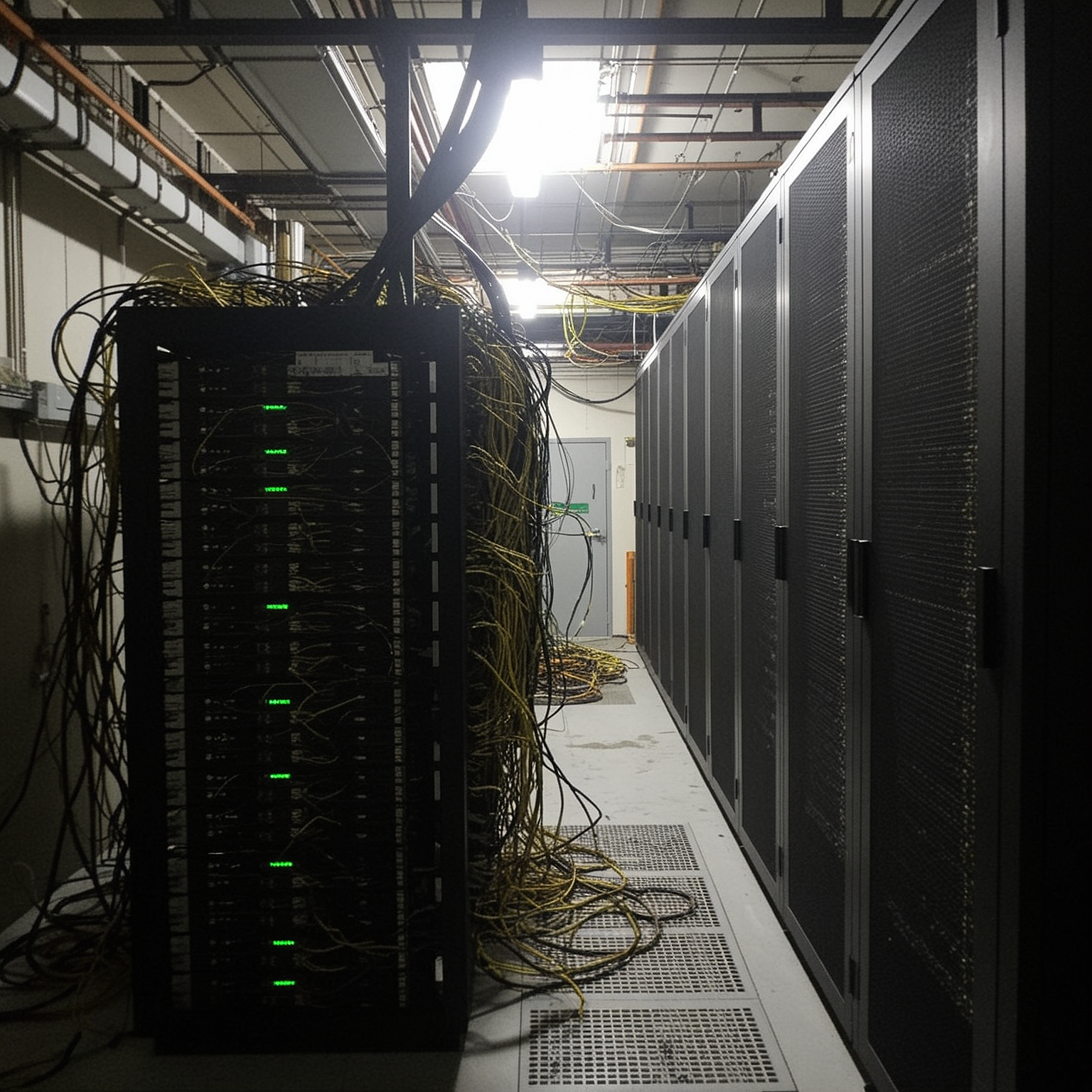
Bitcoin miners are facing new challenges as the network's hash rate, a measure of mining activity, has flattened. This slowdown comes at a time when artificial intelligence (AI) data centers are also competing for energy resources, potentially squeezing miners' access to affordable power.
Fidelity Digital Assets says 2026's crypto slump masks a deeper 'structural retooling,' as institutional adoption, tokenization, and Bitcoin's evolving infrastructure quietly advance despite weaker prices. The hash rate's stagnation suggests a maturing market, where efficiency and cost management are becoming more critical than ever as the network enters a new security phase.
For everyday users, this shift could mean more stable but less dramatic changes in Bitcoin's network security. As miners adapt, the network may become more resilient, but the energy competition from AI could lead to higher operational costs. This could, in turn, affect Bitcoin's decentralization if smaller miners are pushed out by larger, more efficient operations.
Looking ahead, miners will need to focus on energy efficiency and cost management to stay competitive. Users should watch for any significant shifts in hash rate trends, as they could indicate changes in the network's security and decentralization. The interplay between Bitcoin mining and AI's energy demands will be a key factor to monitor in the coming months.