Bitcoin Mining Difficulty Drops 10% in 2026's Second-Largest Negative Adjustment
Bitcoin's mining difficulty dropped by 10%, the second-largest negative adjustment this year. This means surviving miners can earn roughly 11% more bitcoin per unit of hashrate, but all-in production economics remain underwater at current prices.
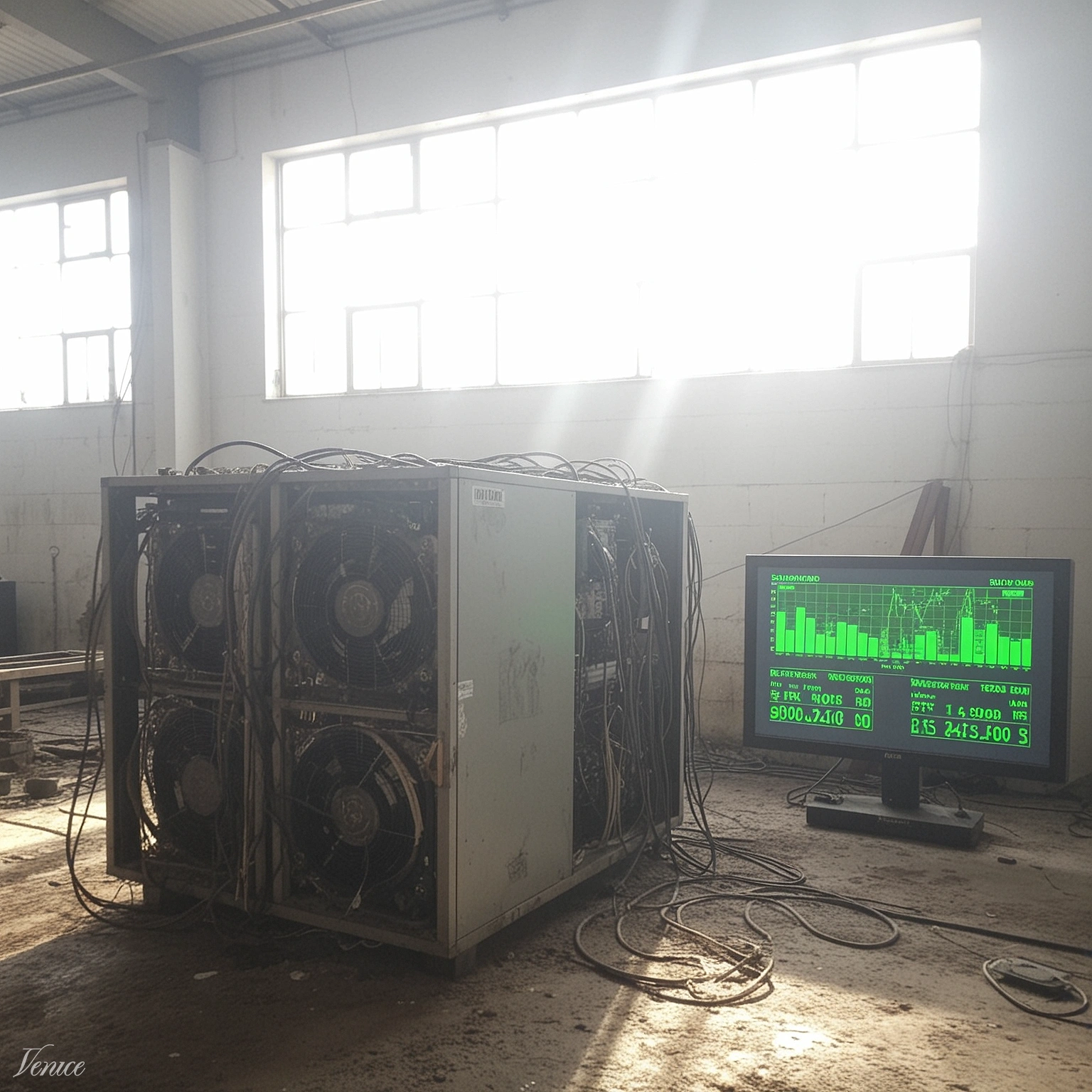
Bitcoin's mining difficulty has dropped by 10% in the second-largest negative adjustment of 2026. This change means that surviving miners can now earn roughly 11% more bitcoin per unit of active hashrate. Despite this increase, the all-in production economics for miners remain underwater at current bitcoin prices.
The 10% drop in mining difficulty reflects a reduction in the overall hashrate of the Bitcoin network, as miners turn off machines due to low profitability. This adjustment is the automatic mechanism designed to ensure blocks are mined roughly every 10 minutes. The last time a similar drop occurred was earlier this year, marking a challenging period for the mining industry.
For everyday users, this news highlights the ongoing struggles within the Bitcoin mining sector. Lower mining difficulty can make it easier for smaller miners to participate, potentially increasing decentralization. However, the fact that profits are still underwater suggests that the industry is facing significant financial pressures, which could lead to further consolidation or exits.
Moving forward, miners will be watching closely to see if this adjustment leads to a rebound in profitability. If bitcoin prices remain low, more miners may be forced to shut down operations, leading to further adjustments. For investors and enthusiasts, keeping an eye on mining trends can provide insights into the health of the Bitcoin ecosystem.