Decentralized AI Compute Faces Major Technical Hurdles
Decentralized AI computing is struggling due to high latency and technical challenges. Most attempts to distribute large AI models across consumer GPUs have failed, highlighting the difficulty of this approach.
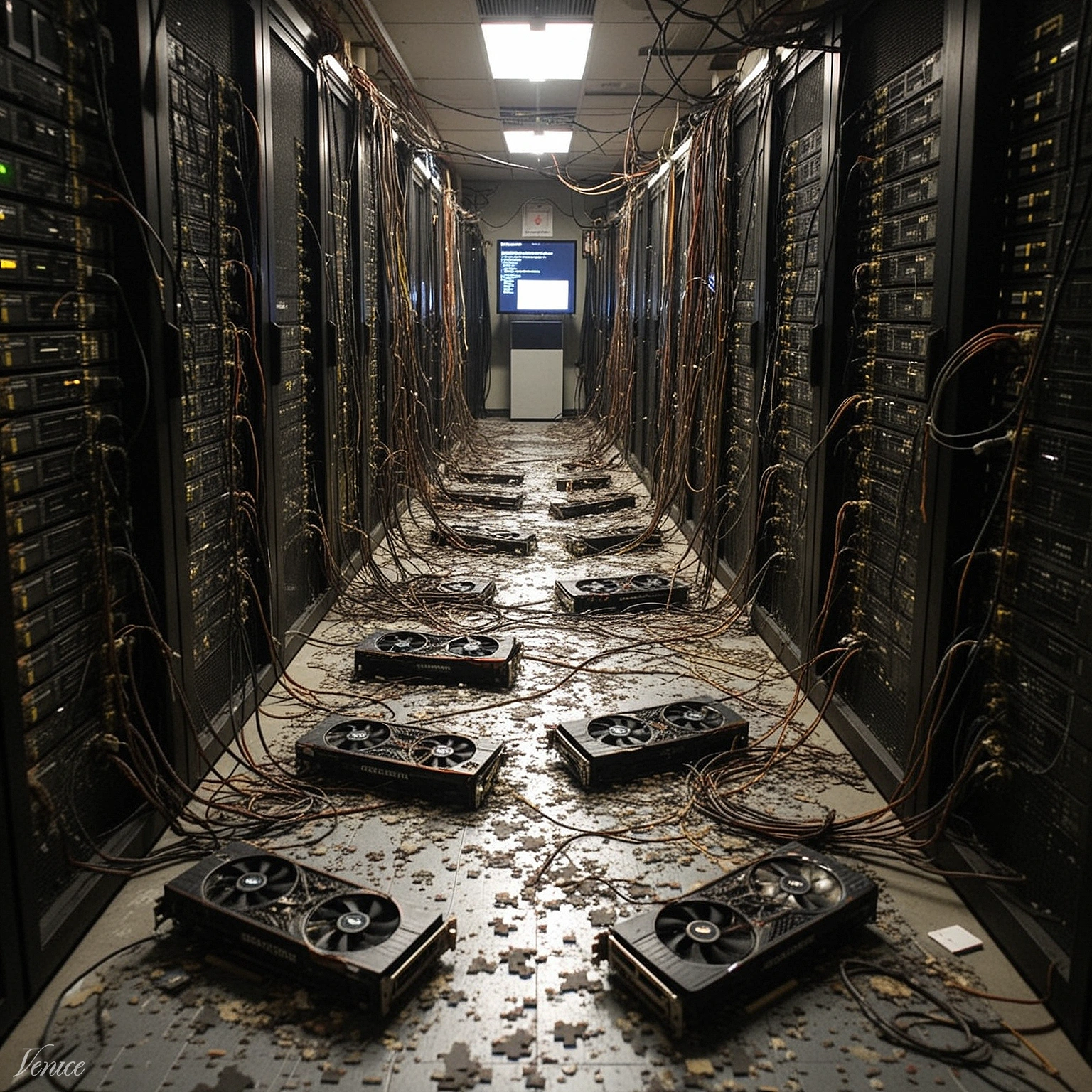
Decentralized AI computing is proving to be an extremely challenging field. The main issue is latency, which makes it difficult to distribute large AI models across consumer GPUs connected to the public internet. This problem has caused many projects to crash and burn, as the technology is not yet mature enough to handle the demands of distributed frontier model inference.
The primary challenge is sharding, or splitting, a large AI model with over 100 billion parameters across multiple consumer-grade GPUs scattered around the public internet. The latency of the public internet makes it nearly impossible to coordinate these computations efficiently. As a result, many projects that aimed to create distributed frontier model networks have failed, unable to overcome these technical hurdles.
For everyday users, this means that decentralized AI computing is still a long way off from being practical. While the idea of a decentralized AI network is appealing, the current technology simply can't support it. This could change in the future as both hardware and network infrastructure improve, but for now, the dream of distributed frontier models remains unrealized.
If you're interested in this space, keep an eye on advancements in GPU technology and network protocols. These improvements could eventually make decentralized AI computing a reality, but until then, it's important to manage expectations and understand the current limitations.